Do Self Care Tips for Millennials Actually Help?
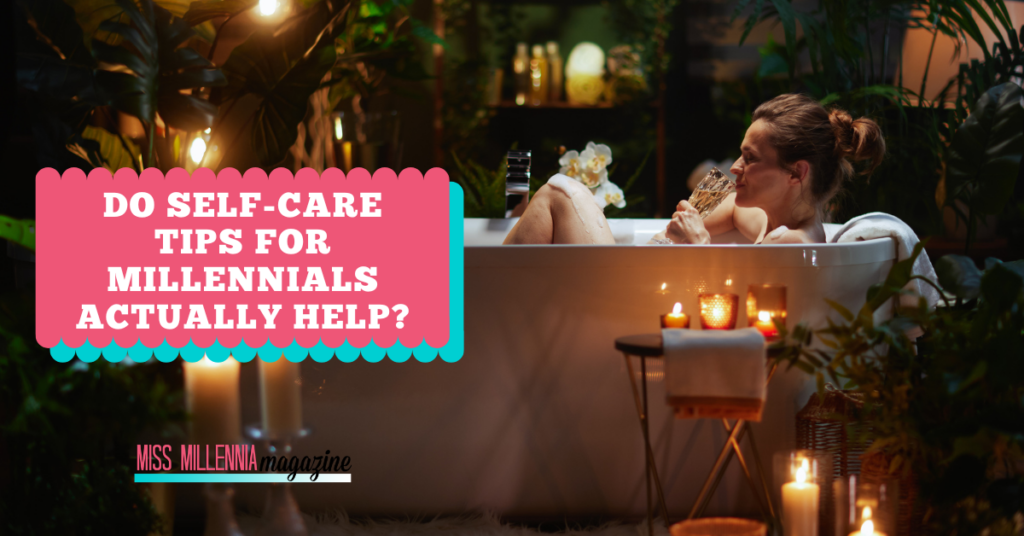
Self-care has become one of those topics you see in every feed and group chat, especially among millennials. We hear it all the time—take time for yourself, light a candle, do a face mask—but does any of it really help? Or do we just give ourselves another expectation we do not always have the energy to meet?
The truth is, self-care tips for millennials are not one-size-fits-all. They mean something a little different for everyone, depending on your schedule, your stress, and even your mood that day. That is not a bad thing. What works like magic for one person can feel pointless or stressful for someone else.
The key is learning which habits actually support your life rather than piling on more pressure. Here, we are breaking down what makes some habits stick, which ones fade fast, and how to tell when something is actually helping.
What Does “Self Care” Really Mean for Millennials?
“Self care” gets thrown around a lot, but its meaning has shifted. For many millennials, it is about more than treating yourself—it is about handling stress, avoiding burnout, and finding small breaks in an always-busy schedule.
Self care became a focus after busy life changes, heavy work pressure, or just feeling stretched thin. For a lot of people, it grew from a trend to a survival tool. More millennials now notice when they need to pause.
That pause could look like a longer shower, finding time for therapy, or making a warm meal. Sometimes self care means not looking at your phone before breakfast. These moments are not about escaping real life. They are about helping you face it.
Here are some popular self care practices among millennials:
– Taking walks, especially before or after work
– Sticking to a bedtime that feels right
– Taking nights off from plans to rest
Even tiny routines can help break up the rush of your day. These simple acts remind you that taking care of yourself does not have to be fancy or time-consuming, only honest.
Miss Millennia Magazine often features comfort-focused self care ideas, like quiet morning check-ins or playlists that help set the mood for restful evenings, to match real-life needs.
When Self-Care Tips Work—and When They Don’t
Not all tips are right for every person. Sometimes you try a new suggestion to lower stress or get a bit more peace, but it turns into another task on your to-do list. If self care starts to feel like a burden, it might be the routine that is not the right fit—not you.
When a habit feels forced or out of sync, it stops being care. If you get stressed trying to meditate in the morning, or a nightly routine just adds pressure, let it go. Your list is not supposed to be perfect. What matters is finding something that lets you breathe a little easier.
Real self care habits often show up in how you feel:
– More focus and fewer racing thoughts
– Calmer mornings, even if short
– Feeling a little less weighed down at the end of the day
Small wins count. Look out for tiny changes in patience, energy, or sleep. If something brings you back to balance, it is probably worth holding on to.
Real-Life Ways to Practice Self-Care That Actually Stick
Self care does not have to become another chore. The best tips fit into your day quietly and bring you comfort without the need for a big production. As fall sets in and evenings stretch a bit longer, it is the perfect time to slow down and choose habits that actually help.
Bite-sized habits for the season:
– Choose a walk at sunset over scrolling on your phone
– Set up a bedtime routine that feels soothing instead of rushed
– After dinner, light a candle and sit in stillness, even just for a few minutes
– Put your list of tasks away one night per week, and simply rest
These are not rules. They are ideas that remind you to pause, choose gentle routines, and listen to yourself. Self care tips for millennials can actually help when they stretch to meet your real needs instead of adding more demands to your day.
The changing weather is a good excuse to build comfort into your routine. Fall air signals slower mornings, longer nights, and the chance to trade hustle for a little more rest.
What to Do When Your Routine Stops Working
Sometimes, what was once helpful stops feeling good. The bath that relaxed you last month might now feel like a chore, or your go-to playlist no longer soothes you. That is normal. It just means it is time to check in with yourself.
Plenty of things shift your needs—work hours, new stress, changes in where your energy goes. The answer may be as easy as asking, “Does this still work for me?”
If it does not, let it go. You have the freedom to adjust, switch, or pause any habit. Try a shorter version, or swap it for something new. Or skip habits for a bit and see what you miss. You get to decide.
True self care has room to move and change. It flexes with your life.
The Takeaway: Why Helping Yourself Should Feel Good, Not Forced
Self care should not feel strict or forced. The best routines are built around what fits you—not what looks perfect or what everyone else is doing. Some tips are just right for a time, some do not last. What matters most is noticing when something gives you a lift and when it drains you.
Stay with habits that add a little more comfort or calm to your day. Drop the ones that don’t work anymore, no guilt needed. Real care is about getting grounded in your own life. When you let your self care shift and change, you give yourself permission to feel better in ways that actually last.
For more ways to feel grounded without the pressure of a perfect routine, we’ve shared thoughtful takes on what self care really looks like day to day. If you’re curious which habits actually feel helpful, our ideas around self care tips for millennials can offer a starting point that feels easier to stick with. At Miss Millennia Magazine, we believe care should feel real, not rigid.